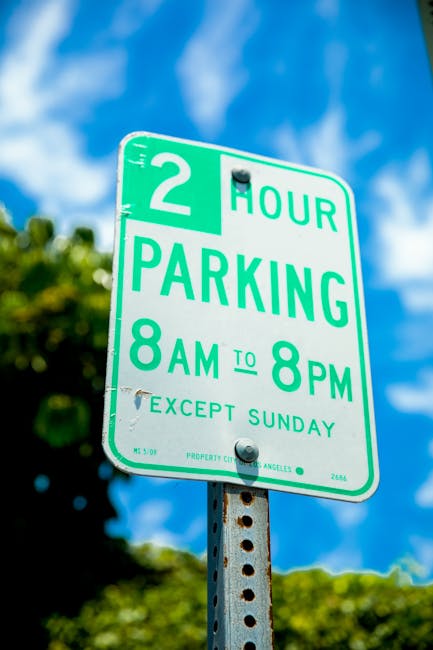
Parking rules in Haringey and impact on local removals
If you are moving home or office in Haringey, parking is rarely a small detail. It can shape the whole day. A van stuck half a street away, a suspended bay you did not spot, or a permit issue that slows unloading can turn a tidy move into a stressful one very quickly. That is why understanding Parking rules in Haringey and impact on local removals matters before the boxes are on the pavement.
In plain English: the right parking plan helps the move happen safely, on time, and without avoidable hassle. The wrong one can mean extra carrying, missed time slots, frustrated neighbours, and a very tired moving team by lunchtime. This guide walks through how it works, what to check, and how to keep your removal day running smoothly in the real world, not just on paper.
Table of Contents
- Why Parking rules in Haringey and impact on local removals Matters
- How Parking rules in Haringey and impact on local removals Works
- Key Benefits and Practical Advantages
- Who This Is For and When It Makes Sense
- Step-by-Step Guidance
- Expert Tips for Better Results
- Common Mistakes to Avoid
- Tools, Resources and Recommendations
- Law, Compliance, Standards, or Best Practice
- Options, Methods, or Comparison Table
- Case Study or Real-World Example
- Practical Checklist
- Conclusion
- Frequently Asked Questions
Why Parking rules in Haringey and impact on local removals Matters
Parking is one of those moving-day issues people underestimate until they are standing on the kerb at 8:15 in the morning, wondering where the van can actually stop. Haringey has a mix of residential streets, controlled parking zones, busier high streets, estates, and narrow roads where access can be awkward even for a small van. That makes parking planning a central part of any local move.
The impact is practical rather than theoretical. If the vehicle cannot park close to the property, the team has to walk further with furniture, boxes, and appliances. That adds time, increases handling risk, and can push up costs. It can also create pressure at awkward moments, such as when a sofa is halfway through a staircase and the parking situation changes outside. Not ideal.
There is also the neighbour factor. A removal van blocking a driveway, sitting across dropped kerbs, or overhanging a junction can quickly create complaints. Even when the move is legitimate, poor parking choices make the day feel more disruptive than it needs to be. Good planning keeps the move calm, respectful, and more efficient for everyone.
Expert summary: In Haringey, parking is not just a transport issue; it is a moving-day logistics issue. The closer and safer the parking, the smoother the removal. The further away the vehicle ends up, the more time, effort, and risk are added to the job.
If you are arranging home moves, flat removals, or even a smaller job with a man and van service, parking should be discussed early. It sounds basic, but in practice it saves a lot of grief.
How Parking rules in Haringey and impact on local removals Works
Parking arrangements in Haringey usually come down to a few familiar questions: Is the road controlled? Is the bay suspended? Can the vehicle stop legally where it needs to? Is there enough room for loading? Will the vehicle need a permit or a paid parking space? The answer changes street by street, and sometimes even time of day by time of day.
For removals, the main goal is to reduce carrying distance and keep loading safe. That usually means trying to get as close as possible to the front door without causing an obstruction or breaching local restrictions. On a quiet street, that may be straightforward. On a busier road, it may require advance planning, timed arrival, or a different vehicle size.
In many local moves, the removal company will try to build the parking plan into the quote or booking process. That is sensible. A team arranging removal services or a larger removal job needs to know whether access is tight, whether there are parking restrictions, and whether stairs, lifts, or long walks are likely. You do not want those details arriving as a surprise on the day.
Here is the typical chain of events:
- You check the street and building access before moving day.
- You identify any controlled parking, suspensions, or loading limitations.
- You decide whether the vehicle can park outside, nearby, or further away.
- You plan for carrying distance, timing, and any extra protection needed for items.
- You confirm the plan with the movers, so everyone is on the same page.
For larger or more complicated jobs, a bigger vehicle may need more space and a bit more patience. That is one reason people sometimes choose removal van options, or even removal truck hire when the load size demands it. The vehicle choice affects parking as much as the route itself.
Key Benefits and Practical Advantages
Getting parking right does more than avoid a fine. It makes the whole move feel better. You will notice the difference in the first twenty minutes if the van is positioned properly and the team can work without stop-start interruptions.
- Faster loading and unloading: Less walking means less wasted time and fewer repeated trips.
- Lower risk of damage: Fewer long carries reduce the chance of knocking corners, door frames, or bannisters.
- Less stress on moving day: The mood stays calmer when nobody is chasing a parking issue.
- Better neighbour relations: Clear access and sensible parking are less disruptive to everyone around you.
- More accurate pricing: If access is clear from the start, quotes are usually more realistic.
- Safer handling: Heavy or awkward items are easier to move when the vehicle is close by.
There is also a subtle benefit people overlook: parking planning helps the removal team make better decisions before they arrive. If they know the road is tight, they can choose the right van size, bring extra hands, or allow more time. That kind of preparation can be the difference between a tidy move and a frantic one.
If you are moving from a block of flats, the parking issue often becomes more pronounced. Lift access, concierge arrangements, and shared forecourts all matter. For those situations, services like house removalists or house removals can be particularly useful because they are built around coordination, not just transport.
Who This Is For and When It Makes Sense
This topic matters to almost anyone moving in Haringey, but some people feel the impact more than others.
Home movers need parking help when moving from terraced streets, maisonettes, estates, or blocks with limited visitor spaces. If you are leaving a side street in Hornsey or a busier stretch near Tottenham, parking can become the deciding factor in whether the team can work efficiently.
Flat movers often need the most careful planning because access can be tighter, bays may be shared, and there may be time-sensitive restrictions. That is especially true when using a flat removals service with multiple floors, narrow stairwells, or limited stopping space.
Students usually benefit from a simpler approach. Student moves often involve fewer items, but the timing is still tricky. Term dates, shared houses, and short loading windows can create pressure. A smaller vehicle or a student removals service can help keep the process practical.
Businesses and offices should pay extra attention because parking issues can affect staff, building management, and customers. If the move involves business continuity, parking becomes part of operational planning. That is one reason office removals and commercial moves usually need more coordination than a standard domestic move.
People needing speed may also care more about parking than they expected. For same day removals, every delay is magnified. If you are working to a tight schedule, parking can be the hidden variable that makes or breaks the timing.
Step-by-Step Guidance
A good parking plan does not need to be complicated. It just needs to be done early and checked properly. Here is a simple, practical way to approach it.
- Inspect both addresses in advance. Look at the road, bay layout, kerb height, and any signs. Do this in daylight if possible. A wet evening walk-through is less reliable than it sounds.
- Check for restrictions. Look for controlled parking zones, residents' bays, loading bays, single yellow lines, dropped kerbs, and any signs warning of suspension or timed controls.
- Measure the access. If the street is tight, think about whether a large van can turn, reverse, or safely stop without blocking traffic.
- Tell the mover what you found. Be specific. "Parking is difficult" helps less than "there is space for one van opposite the house, but only after 10am."
- Decide who handles the parking. Sometimes the customer arranges the space; sometimes the mover does. Either way, make it clear.
- Prepare for Plan B. If the closest spot is taken, where will the vehicle go next? A backup spot saves time and tempers.
- Keep the loading path clear. Hallways, front steps, bins, and small obstacles matter more than people think.
One small but important tip: if you are using packing help, make sure the final items are ready before the van arrives. Services such as packing and boxes or packing and unpacking services can reduce the last-minute scramble. When parking is tight, a delayed box-finding mission is the last thing you want.
Expert Tips for Better Results
These are the practical bits that tend to make the biggest difference in Haringey, especially on streets where parking can be a little awkward. Not dramatic. Just useful.
- Book a van size that fits the street, not just the volume. A huge vehicle is not always the smartest choice if the road is narrow or busy.
- Check whether the building has a loading area. Some blocks and office buildings have shared bays or short-stay access that can save a lot of carrying.
- Allow more time than you think you need. Parking issues have a funny habit of taking longer than expected. Annoying, but true.
- Keep a printed or saved copy of key details. If a building manager, concierge, or neighbour helps with access, you will be glad to have the information handy.
- Protect floors and door frames. If the vehicle must park further away, the team may be carrying more items through entrances. That is where damage can happen.
- Ask about insurance and handling standards. Good movers are usually happy to explain how they manage risk. For reassurance, you can review insurance and safety information before the job.
In our experience, the best removals are rarely the flashiest ones. They are the ones where someone quietly sorted the access issue two days earlier and nobody had to improvise with a sofa blocking the pavement. Boring? Maybe. Effective? Absolutely.
Common Mistakes to Avoid
Parking problems usually start with a small assumption. "It will be fine." "Someone can wait in the van." "There is usually space there." That sort of thing. Then the day arrives and, well, it is not fine.
- Assuming parking will be available on the day. In controlled areas, that is never a safe bet.
- Ignoring time restrictions. A space that is fine at 7am may be useless by 9am.
- Not checking for suspended bays. Temporary suspensions can catch people out, especially near flats and shared streets.
- Underestimating carrying distance. Twenty extra metres does not sound like much until you do it twenty times.
- Choosing the wrong vehicle size. Too large can be awkward; too small can mean extra trips and extra time.
- Forgetting to tell the movers about access issues. This is a classic one. The team arrives, looks at the street, and has to recalculate on the spot.
Another common mistake is leaving rubbish, old furniture, or spare items to the last minute. If the move includes clearing out unwanted pieces, it may help to combine the job with furniture removals or furniture pick up. That way, you are not trying to solve parking and disposal on the same crowded morning.
Tools, Resources and Recommendations
You do not need a complicated toolkit to get parking right. You need a bit of observation, some honest communication, and a sensible checklist.
Useful things to prepare:
- Photos of the street outside both properties
- Notes on bay markings or signs
- Details of any building access instructions
- Contact names for landlords, concierge staff, or office managers
- Approximate item list, especially bulky furniture or awkward items
- Timing notes for lift bookings or access windows
If you are moving business equipment or a larger household load, a company offering moving truck support may be more suitable than a smaller van-only option. For lighter, more flexible moves, man with van or man with a van services can be a better fit, especially where parking space is limited and manoeuvrability matters.
Recommendation: If the property has awkward access, ask for a quick parking review before you book. It is a small step that can save a surprising amount of stress. If you are comparing providers, start with removal companies that seem comfortable discussing access, timing, and local street conditions rather than just the total price.
Law, Compliance, Standards, or Best Practice
Parking and removals intersect with everyday road rules, local parking controls, and general duties to avoid obstruction or unsafe loading. Exact requirements can vary by street, bay type, and timing, so it is sensible to treat the local signs and the relevant parking conditions as the final word for the day.
Best practice in a place like Haringey usually means three things: park legally, keep access safe, and reduce disruption as much as possible. That applies to domestic moves and commercial work alike. If a location has strict loading rules, the mover should plan around them rather than hope for the best. If a bay needs advance booking or a permit arrangement, that should be sorted early.
From a professional standpoint, movers should also think about health and safety, risk control, and reasonable handling practices. That matters on narrow roads, near schools, on busy residential streets, and anywhere pedestrians may be passing close to the vehicle. You can review a company's health and safety policy and related information to get a feel for how carefully they approach the job.
There is also a customer-side responsibility here. If you have arranged access, shared parking, or building permissions, keep those arrangements accurate. A missed message can become a delayed van. Simple as that.
For readers who want peace of mind around payment, service terms, and how jobs are handled, it can also help to check terms and conditions, payment and security, and the company's general approach to service quality. That is not overkill. It is just sensible due diligence.
Options, Methods, or Comparison Table
There is no single "best" way to handle parking for removals in Haringey. The right option depends on street access, load size, and how much flexibility you have on the day. Here is a simple comparison.
| Method | Best for | Pros | Possible downside |
|---|---|---|---|
| Park directly outside | Quiet residential streets with space | Shortest carry, fastest loading | Not always available; may be restricted |
| Park nearby in a legal bay | Controlled streets with some flexibility | Usually workable and compliant | Longer carry distance |
| Use a smaller van | Tight roads and limited manoeuvring | Easier access, easier parking | May require more trips |
| Use a larger removal truck | Big house or office moves with space available | Efficient for large loads | Needs more room and planning |
| Stagger the move | Complex buildings or multi-trip jobs | Reduces pressure and congestion | Takes more coordination |
For some moves, storage can also be part of the answer. If parking is limited and not everything needs to go on the day, using storage can reduce the size of the load and make the move easier to schedule. That is especially handy when you are between homes and do not want every item rushed through a narrow entrance at once.
Case Study or Real-World Example
Picture a typical Haringey terrace on a weekday morning. The family is moving out, the road is narrow, and there are cars already parked along both sides. Nothing dramatic, but just enough space pressure to make things awkward. The original thought was, "We'll probably manage outside the house."
In practice, that plan needed adjusting. The van could not sit exactly outside because of other parked cars and the angle of the road. Instead, the movers found a legal spot a short way down the street, then used trolleys and a sensible carrying route to keep things moving. It was not perfect. It was still fine. The key was that everyone knew the plan before the first box was lifted.
That small bit of foresight changed the day. No one was waiting around for a parking miracle. No one was trying to carry a wardrobe while another person ran off to move a car. And, truth be told, that is usually what people want from a removal day: calm progress, not drama.
For a larger moving day, the same principle applies with even more force. If the job involves office equipment, filing, desks, or multi-room household contents, then parking and access become part of the loading strategy. A team providing office relocation services or removal services can often adapt the method if they know the access conditions early enough.
Practical Checklist
Use this before moving day. It is simple, but it catches most of the avoidable problems.
- Check parking signs at both addresses
- Confirm whether the street has controlled parking hours
- Look for suspended bays, loading restrictions, or yellow lines
- Measure whether a van can stop safely without blocking traffic
- Ask who is responsible for arranging parking space
- Tell the movers about narrow roads, stairs, lifts, or long carries
- Prepare photos of the access point
- Clear hallways, entrances, and stairwells
- Book the right vehicle size for the road as well as the load
- Have a backup parking plan if the first spot is taken
- Keep building contact details handy
- Allow extra time for busy streets or school-run traffic
If you want one short version, here it is: check, confirm, communicate, and leave room for a backup plan. That four-step mindset prevents a lot of headaches.
And if the move is especially tricky, consider a more tailored service such as office removals, student removals, or a smaller vehicle approach depending on the access. A bit of flexibility can save a lot of running about.
Conclusion
Parking may not be the most exciting part of a move, but in Haringey it is often one of the most decisive. Good parking planning makes local removals safer, quicker, and far less stressful. Bad parking planning can slow everything down and create problems that were completely avoidable.
The best approach is straightforward: assess the street, respect local restrictions, match the vehicle to the access, and keep the movers informed. That is the heart of Parking rules in Haringey and impact on local removals. Get those basics right and the rest of the day becomes much easier to manage.
If you are still in the planning stage, take ten minutes to review access, parking, and timing before anything else. It is a small bit of work that pays off in a big way. Honestly, it usually does.
Get a free quote today and see how much you can save.
Frequently Asked Questions
Do I need to arrange parking for a removal van in Haringey?
In many cases, yes. Even if parking looks straightforward, it is best to check whether the street is controlled, whether bays are restricted, and whether the van can stop safely close to the property. Good planning avoids delays on the day.
What happens if the removal van cannot park outside my house?
The team may need to park further away and carry items a longer distance. That usually adds time and can make the move more physically demanding. It does not automatically stop the move, but it can affect the schedule and possibly the cost.
Are parking restrictions a bigger issue for flat moves?
Usually, yes. Flat moves often involve shared access, tighter roads, and more limited stopping space. Lift bookings, concierge rules, and communal parking can all affect how smoothly the day runs.
Should I tell the movers about parking problems before booking?
Absolutely. The earlier you mention narrow roads, permit zones, or limited access, the better the mover can plan. It helps with vehicle choice, staffing, timing, and any extra equipment that may be needed.
Can a smaller van be better than a larger truck in Haringey?
Sometimes it can. A smaller vehicle is often easier to park and manoeuvre on tight residential streets. A larger truck may be more efficient for big loads, but only if the road can support it comfortably.
Does parking planning affect the cost of removals?
It can. If parking is difficult and items must be carried a long distance, the job may take longer. That can affect labour time and the overall quote. Clear access usually helps keep pricing more predictable.
What is the best way to prepare for parking on moving day?
Check the street in advance, take photos, note any restrictions, and confirm the plan with your movers. If possible, also identify a backup parking spot nearby in case your first choice is taken.
Do office moves need different parking planning from home moves?
Yes, often they do. Office moves may involve larger items, tighter time windows, shared building access, and more people on site. Parking needs to be coordinated with building managers and the removal team carefully.
What if there is a temporary bay suspension near my property?
That usually needs to be factored into the moving plan well before the day. If a bay is suspended, you may need an alternative parking spot or a different loading arrangement. Do not leave that discovery until the morning of the move.
Is it worth using storage if parking is really limited?
It can be a smart option. If you do not need everything moved in one go, storage can reduce the load size and simplify access. That is especially useful during staged moves or when the new property is not quite ready.
How far in advance should I think about parking for removals?
As early as possible. A few days is helpful, but even better if you can assess parking at the time you first book. The more notice everyone has, the easier it is to avoid last-minute scrambles.
Where can I find more information about booking a move?
You can explore the service pages for the type of move you need, such as home moves, house removals, or man and van support, depending on the scale of the job. That makes it easier to match the service to your access needs.