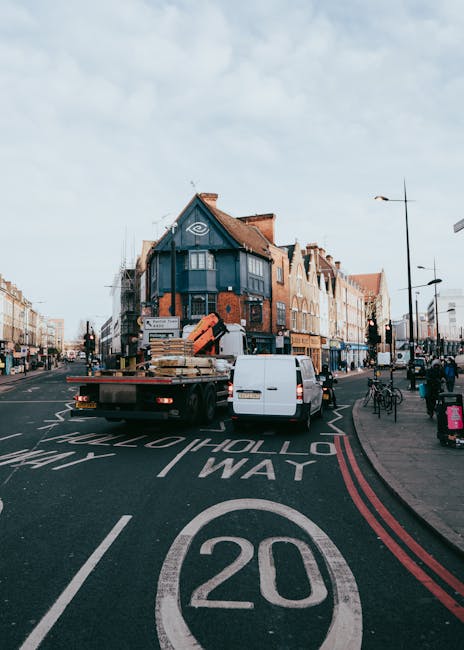
Haringey council permits for street loading and removals
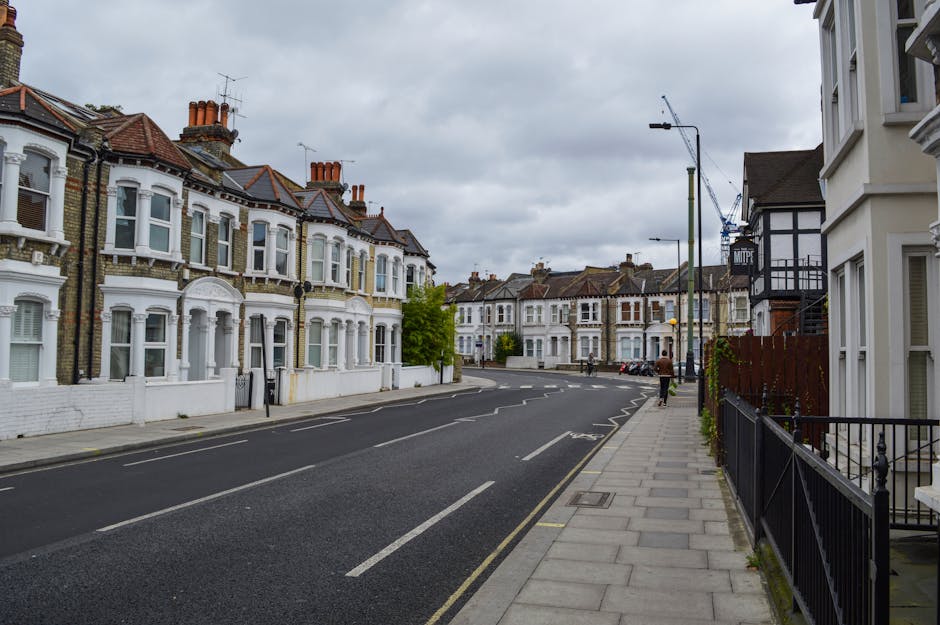
If you are moving house, clearing a flat, or arranging a business relocation in Haringey, the bit that causes the most headaches is often not the packing. It is the curbside logistics. Haringey council permits for street loading and removals can decide whether your van stops safely outside the property, whether the crew can work efficiently, and whether you avoid a nasty penalty or a stressed-out moving day. That may sound dramatic, but anyone who has tried to juggle parking bays, narrow residential roads, and a sofa that clearly was not built for Victorian stairwells will know the feeling.
This guide explains how street loading permits and removals permissions usually work, why they matter, what to check before moving day, and how to plan a smoother, less chaotic move. You will also find a practical checklist, a comparison table, and the sort of common-sense advice that saves time when the clock is ticking.
Expert summary: For most removals, the permit question is really a planning question. The earlier you confirm loading arrangements, access restrictions, and parking requirements, the easier everything becomes on the day.
Why Haringey council permits for street loading and removals Matters
Street loading sounds simple. Park close, load the van, move the furniture, done. In real life, it is rarely that neat. Haringey includes busy high streets, controlled parking zones, school runs, permit-only roads, shared access streets, and stretches where a large removal van can block traffic in seconds. If you do not plan the loading space properly, you may waste time circling the block, carry heavy items farther than expected, or find that the only place to stop is exactly where you should not.
A permit or loading arrangement matters because removals rely on timing. A two-hour gap can disappear fast when the crew is waiting on a kerb space, the lift is slow, or the building manager insists on protecting common areas. Even a short move can become awkward if the vehicle has to park across the road and unload in stages. That is where access planning becomes part of the service itself, not an afterthought.
There is also a trust element. Customers usually want a removals team that understands local rules and does not wing it. Fair enough, really. If someone is handling your possessions, you want them to know how to manage access, loading distances, building restrictions, and timing without improvising in the middle of a busy street.
For larger jobs, the stakes are even higher. Office furniture, archive boxes, pianos, or multiple flights of stairs can quickly turn a small loading delay into a full operational bottleneck. That is why many people pair access planning with professional removals support or a vehicle option such as man with van hire when the move is smaller and local.
How Haringey council permits for street loading and removals Works
Although every move is different, the basic idea is the same: if your removal vehicle needs to stop on a public street for loading or unloading, you need to understand whether that stop is allowed, whether parking restrictions apply, and whether a permit, dispensation, suspension, or other permission is needed. The exact route will depend on the street, the time of day, the type of bay, and how long the vehicle needs to stay put.
In practical terms, the process usually starts with a few questions:
- Can the vehicle legally stop near the property?
- Is the road controlled by parking restrictions, yellow lines, or permit bays?
- Will the move take long enough to need special permission?
- Is the loading activity safe for traffic, pedestrians, and the removals crew?
- Will there be enough space for a van, truck, or lifting equipment?
For many residents, the first step is checking access from the front door to the vehicle. If the van can be parked directly outside, things are easier. If not, the crew may need to use a longer carry route, which changes the time estimate and can affect the quote. This is one reason why providers offering house removals or flat removals often ask about parking very early in the booking process.
When you are comparing vehicle sizes, remember that a bigger truck is not always the best option. A removal van may be easier to position on a tight road than a larger vehicle, while a moving truck can be more efficient for bigger homes or business moves if the street allows it. The street decides more than people think. Annoying, but true.
Typical loading scenarios
Here are a few common examples:
- Short domestic move: A van loads outside the house for 20 to 40 minutes, with minimal disruption.
- Flat move with shared access: The crew may need a loading bay or nearby legal stopping point because stair access adds time.
- Office relocation: Furniture, IT equipment, and crates often require a longer loading window and a clearly managed vehicle position.
- Same-day emergency move: Fast action is possible, but only if access is checked and permission is sorted quickly.
In some cases, the removals team may also recommend storage if the access window is awkward or the property handover does not line up neatly. That can take pressure off the move itself and avoid the old "everything must happen by 11am" problem that nobody enjoys.
Key Benefits and Practical Advantages
Getting loading permissions and street access right is not just about compliance. It gives you a calmer, cleaner move. And to be fair, that is what most people really want. Below are the biggest practical advantages.
- Less delay: The crew can start loading without long walks back and forth from a distant bay.
- Lower risk of damage: Shorter carry distances reduce the chance of bumping walls, doors, or bannisters.
- Better time control: Your schedule stays closer to plan, which matters when keys, cleaners, and handovers are all lined up.
- Reduced stress: The day feels managed rather than improvised.
- Improved safety: Proper stopping arrangements help protect pedestrians, neighbours, and your moving team.
There is also a commercial upside. If you are moving a shop, studio, or office, good street loading planning means staff can get on with the job instead of standing around waiting for a legal parking spot. That is one reason commercial moves are usually planned with much more attention to curb access than people expect.
Another benefit is predictability. Once you know whether loading space is available, you can choose the right vehicle, set the right crew size, and decide whether packing support is needed. That makes services like packing and boxes or packing and unpacking services more useful, because they are tied to a real moving timetable rather than a rough guess.
Who This Is For and When It Makes Sense
If you are thinking, "Do I really need to worry about this for a small move?", the honest answer is maybe yes, maybe no. It depends on where you are, what you are moving, and how tight the street is. This is especially relevant in terraced roads, busy residential zones, or anywhere that already feels packed at 8:30 in the morning.
You are most likely to need permit planning if you are:
- moving from or to a property on a restricted street
- using a larger vehicle that cannot simply idle on the kerb
- working within a narrow time window
- moving heavy or bulky items
- relocating a business with customer-facing access
- arranging student or short-term accommodation moves
Students often underestimate this. One box in a lift, one awkward parking restriction, and suddenly the whole job is taking longer than expected. If that sounds familiar, services such as student removals can be a useful fit because they are usually planned around quick access, compact loads, and flexible timings.
Likewise, if you are not moving everything in one go, a short-term stopgap can help. People sometimes use storage when they need to split the move into phases, or when access on one end is not straightforward. It is not glamorous, but it can save a lot of grief.
There is also a match between the type of job and the vehicle. A one-bedroom flat with limited street space may suit a smaller man and van arrangement, while a larger family property may need a fuller removals setup. The trick is matching the access reality to the service, not the other way around.
Step-by-Step Guidance
Here is the practical route we recommend for anyone planning street loading for a removal in Haringey. Nothing fancy. Just the stuff that prevents avoidable chaos.
- Check the street restrictions. Look at bay markings, yellow lines, time limits, and whether the road is likely to be busy during your move window.
- Measure the access. Not just the van space. Think about turning room, height restrictions, pavement width, and how far the team will carry items.
- Confirm the property rules. Some blocks, estates, or managed buildings have their own loading instructions, lift booking procedures, or time slots.
- Choose the right vehicle. Smaller roads may call for a compact vehicle, while bigger moves can justify a larger truck if access allows it.
- Book early. Access problems are easier to solve three days ahead than three minutes before arrival.
- Prepare the load path. Clear hallways, prop open doors where permitted, and protect floors if needed.
- Have a backup plan. If the street is blocked or the bay is taken, know where the nearest lawful alternative stopping point is.
When you are working with a removals team, provide the awkward details early. Mention the narrow staircase, the half-height basement window, the neighbour's gate that swings out into the passage, all of it. These little things matter. They always do.
If you are unsure how much support you need, it can help to compare basic moving options with more full-service solutions. For example, a smaller local job might suit man with van style support, while a full-house move may work better with dedicated house removalists and extra packing help.
Expert Tips for Better Results
A few small decisions can make a surprisingly big difference on moving day. Here are the ones that tend to matter most.
- Book the access plan before the vehicle plan. It sounds backwards, but if the street cannot take a big truck, you need to know that first.
- Build in buffer time. A 15-minute parking delay can become a 45-minute knock-on very quickly.
- Keep essentials separate. Documents, keys, chargers, kettle, medicines, and a clean change of clothes should not be buried in the last box. You will thank yourself later.
- Use the right packing materials. Good boxes and sensible labelling reduce loading time and protect items on a longer carry route.
- Protect the property. Tight hallways and stair corners are where scuffs happen. Floor runners, blankets, and a steady hand help a lot.
A small human truth: moving day always feels colder or noisier than you expect. Even in summer. The van doors slam, the street hums, someone is looking for tape, and the clock does that annoying thing where it speeds up. A bit of preparation lowers the temperature, mentally and practically.
For bigger or more delicate items, ask whether the crew has the right kit. A piano, for instance, is not something you casually pivot around a parked car. If you are moving one, specialist piano removals are worth considering because the access plan and handling method both matter.
And one more thing: if the job involves furniture that is not making the journey, plan removal or disposal separately. Services such as furniture removals or furniture pick up can keep the move tidy instead of leaving you with one awkward chair and nowhere sensible to put it.
Common Mistakes to Avoid
Most moving problems are boringly preventable. That is the frustrating bit. Here are the mistakes that come up again and again.
- Assuming loading is always allowed. A road that looks fine at 10am may be restricted at 10:15.
- Choosing the wrong vehicle size. Too small and you need extra trips; too large and you may struggle with access.
- Leaving permit checks too late. Last-minute arrangements are where stress and errors start to multiply.
- Forgetting about neighbours and traffic. A move that blocks a driveway or narrows a road creates friction fast.
- Underestimating carry distance. Ten extra metres does not sound like much until you are carrying a fridge down a path in the drizzle.
Another common one is not checking whether the removals company has insurance and safety measures in place. That matters, especially if items have to be carried across public space. It is sensible to read the provider's insurance and safety information and, if you want a fuller picture of how the business operates, their health and safety policy can be a useful reference.
There is no prize for guessing your way through a parking restriction. Better to check, adjust, and move once than to improvise and then move twice. Nobody wants that. Nobody.
Tools, Resources and Recommendations
You do not need a warehouse of equipment to make street loading easier, but a few simple tools and habits help enormously. In practice, the best "resources" are often the ones you can use quickly under pressure.
- Measuring tape: Useful for checking furniture, stair widths, and gap sizes before the van arrives.
- Marker labels: Speed up unloading and reduce confusion in multi-room moves.
- Floor protection: Helpful in flats, shared buildings, and wet weather.
- Sturdy trolleys: Excellent for boxes and appliances where permitted.
- Simple move notes: A written list of access details, keys, contacts, and timing keeps everyone on the same page.
If you are comparing move types, the right service makes a difference to how much lifting, timing, and loading management you need. A domestic move might work well with home moves, while an office relocation may be better served by office relocation services or office removals.
For pricing questions, it is wise to ask for a clear quote that reflects access conditions, vehicle size, and any special arrangements. The team's pricing and quotes page should help you understand how estimates are approached before anything is booked.
Law, Compliance, Standards, or Best Practice
Street loading and removals sit at the meeting point of moving logistics, parking controls, traffic safety, and local access rules. Exact arrangements can vary by street and by the kind of restriction in place, so it is wise to treat the permit question as a compliance check rather than a guess.
As a general best practice, you should always:
- follow any parking or loading restrictions shown on the street
- avoid blocking access for other road users or pedestrians
- make sure the vehicle is positioned safely and legally
- keep the loading area as clear and efficient as possible
- coordinate with building managers where needed
That is especially relevant if the move involves larger vehicles, repeated loading, or timed access in a busy London street. The local context matters. Haringey is not a sleepy cul-de-sac with endless parking. It is London, and London likes a plan.
Best practice also means checking contractual terms, payment terms, and service expectations before the day arrives. If you want to understand how a removals provider handles those details, their terms and conditions and payment and security information are worth reviewing. If you care about environmental handling after the move, the company's recycling and sustainability approach can also be useful, particularly when unwanted furniture or packaging is involved.
Options, Methods, or Comparison Table
There is no single "best" method for every street loading scenario. The right choice depends on the street, the volume of goods, and how long the vehicle will need to stay positioned. Here is a simple comparison.
| Option | Best for | Pros | Trade-offs |
|---|---|---|---|
| Small van with short loading stop | Compact flats, quick local moves | Easier to park, easier access, lower disruption | May need more trips if the load is large |
| Standard removals vehicle | Typical household moves | Good balance of capacity and efficiency | Can be harder to position on tight streets |
| Larger moving truck | Big houses, office relocations, bulky loads | Fewer trips, more space, better for full-scale moves | Requires stronger access planning and more room |
| Split load with storage | Delayed handovers, access uncertainty | Reduces pressure on the moving day itself | Extra coordination needed |
In many cases, the smartest choice is not the biggest vehicle. It is the one that can legally stop closest to the property. That simple. If you are unsure, a removal company that understands local access can help you balance capacity against practicality without overcomplicating things.
Case Study or Real-World Example
Picture a typical Friday move in a Haringey side street. The property is a top-floor flat, the furniture includes a bed frame, two wardrobes, a chest of drawers, and a handful of boxes that somehow multiplied overnight. The road has resident bays and a short loading opportunity near the corner, but the first bay is already in use by another car.
A less prepared team might waste 20 minutes hunting for space, then carry everything farther than planned, then discover that the lift is booked for a different move. That is when the day becomes messy.
A better prepared move starts differently. The vehicle size is matched to the road. The access details are checked the day before. The crew arrives with floor protection, labels, and a clear unloading order. The loading spot is legal, the carrying distance is sensible, and the move stays on schedule. Not perfect, because moves never are, but controlled. And controlled is a win.
This is also where specialised support matters. If the move involves a tight schedule, it may be worth combining a flexible vehicle option with a service like same-day removals or a more tailored booking through removal services. The right setup often comes down to timing, not just furniture volume.
Practical Checklist
Use this checklist before moving day. It is deliberately simple, because complicated checklists tend to get ignored.
- Confirm the exact moving date and arrival window
- Check whether the street has loading restrictions or permit requirements
- Identify the closest legal stopping point
- Measure the access route from property to vehicle
- Choose the correct vehicle size
- Tell the removals team about stairs, lifts, gates, and tight corners
- Separate essentials and keep them easy to reach
- Label boxes clearly by room
- Protect fragile items and awkward furniture
- Keep building contacts and key handover details ready
- Plan a backup for bad weather, delay, or street access problems
- Double-check insurance and safety arrangements
If your move is a bit more involved, you may also want to think about whether additional support is needed for packing, dismantling, or a heavier vehicle. A good plan is usually the one that survives a small hiccup without falling apart. Simple as that.
Get a free quote today and see how much you can save.
Conclusion
Haringey council permits for street loading and removals are not just a box-ticking exercise. They are part of what makes a move feel calm, legal, and manageable. When you sort access early, match the vehicle to the street, and understand the practical limits of the location, the rest of the day becomes much easier.
That is the real takeaway here: moving well is rarely about speed alone. It is about good judgement, decent timing, and respecting the space you are working in. If you get that part right, the rest tends to follow.
And if your move is coming up soon, take a breath. Check the access. Make the plan. The day will still be busy, but it does not have to be a scramble.
Frequently Asked Questions
Do I always need a permit for street loading in Haringey?
Not always. It depends on the street, the restrictions in place, the type of parking bay or loading area, and how long the vehicle needs to stop. In some situations, a legal loading stop is enough; in others, a permit or special arrangement may be needed.
What happens if the removal van cannot park outside the property?
The crew may need to use the nearest lawful stopping point and carry items farther. That can add time, increase effort, and sometimes affect the quote. It is better to plan for that early than to discover it on the day.
How far in advance should I check loading arrangements?
As early as possible. For simple local moves, a few days may be enough. For larger home moves, office moves, or busy streets, earlier is better. Last-minute parking decisions tend to be the source of stress.
Are bigger trucks always better for removals?
No. Bigger trucks can be more efficient for large loads, but they can also be harder to position on narrow roads. The best vehicle is the one that can legally and safely load close to the property.
Can I use a man and van service for a tight street?
Often, yes. A smaller vehicle can be easier to park and manoeuvre where street space is limited. That said, you still need to check the loading rules and make sure the vehicle can stop legally.
What if my building has its own access rules?
Then those rules matter just as much as street access. Some buildings require lift bookings, specific delivery times, or notification in advance. You should factor those into the moving plan before the vehicle arrives.
Does office moving need the same planning as a house move?
Usually more, if anything. Office relocations often involve strict timings, larger volumes, and more coordination around shared entrances, staff access, and parking. Good planning makes a big difference.
How do I reduce the risk of delays on moving day?
Confirm access early, label boxes clearly, choose the right vehicle size, keep essential items separate, and make sure everyone involved knows the timetable. A little organisation goes a long way.
Is storage useful if street loading is difficult?
Yes, in some cases. If handover times do not line up neatly or you need to split the move into stages, storage can reduce pressure and make the street-loading part easier to manage.
What should I ask a removals company about permits and parking?
Ask how they handle access checks, whether they need loading space details in advance, what vehicle they recommend, and whether their quote changes if the carry distance is longer than expected. Clear questions usually lead to clearer answers.
Can I combine furniture disposal with a removal booking?
Sometimes, yes. If unwanted items are part of the job, ask whether furniture removals or furniture collection support can be arranged alongside the main move. It can save time and keep the property clearer.
What is the safest way to prepare for a street-level loading stop?
Keep the route clear, protect floors, avoid blocking pavements, and make sure the van is positioned legally. If the road feels tight or busy, a slower, more deliberate approach is usually the safest one.
For straightforward advice, responsive planning, and a removals setup that respects local access realities, explore about us and contact us when you are ready to talk through your move.