Crouch End N8 House Removals Tips for Narrow Streets
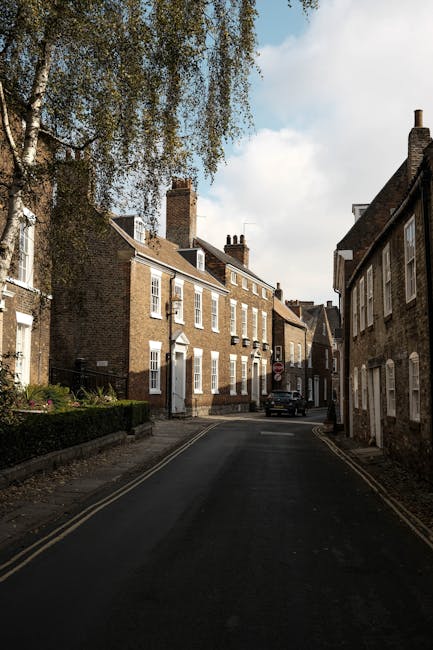
Moving home in Crouch End can feel wonderfully local and a little tricky at the same time. The streets are full of character, but that charm often comes with tight turns, parked cars, awkward bays, and front doors that seem to sit just a touch too close to the pavement. If you are looking for Crouch End N8 house removals tips for narrow streets, this guide walks through the practical things that actually make a difference on moving day.
Whether you are shifting out of a Victorian terrace, a maisonette, or a family house tucked off Tottenham Lane, the goal is simple: keep things moving safely, avoid delays, and reduce stress for everyone involved. A good move in a narrow street is rarely about brute force. It is about planning, timing, and making small smart decisions before the van arrives. Truth be told, that is where most problems are either prevented or created.
Below you will find a clear, local-first guide covering access checks, parking, packing, timing, vehicle choice, and the sort of on-the-ground details that can turn a chaotic day into a smooth one. If you are also comparing services, you may find it useful to look at house removals in Haringey, flat removals for tighter properties, and the wider removal services overview as you plan your next step.
Table of Contents
- Why Crouch End N8 house removals tips for narrow streets Matters
- How Crouch End N8 house removals tips for narrow streets Works
- Key Benefits and Practical Advantages
- Who This Is For and When It Makes Sense
- Step-by-Step Guidance
- Expert Tips for Better Results
- Common Mistakes to Avoid
- Tools, Resources and Recommendations
- Law, Compliance, Standards, or Best Practice
- Options, Methods, or Comparison Table
- Case Study or Real-World Example
- Practical Checklist
- Conclusion
- Frequently Asked Questions
Why Crouch End N8 house removals tips for narrow streets Matters
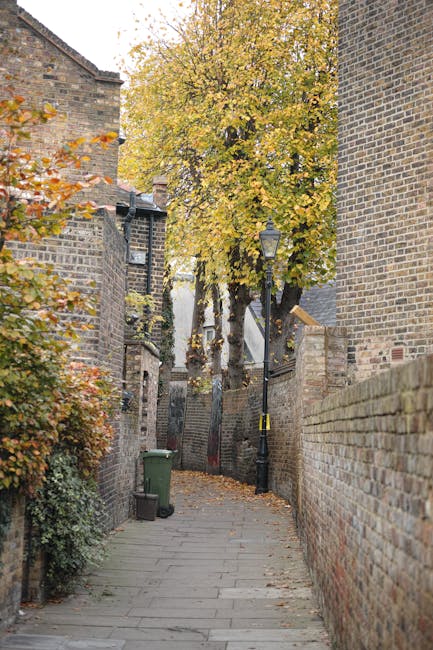
Crouch End is one of those London neighbourhoods where the street layout can make a straightforward house move feel much more technical. Narrow roads, resident parking pressure, corner visibility, and occasional traffic pinch points all influence how a removal should be planned. If a van cannot stop close to the property, people end up carrying items further. If a driver has to reverse or turn awkwardly, everyone slows down. It sounds obvious, but a lot of moving-day stress starts with access.
This matters because the most common moving delays are not caused by the sofa itself. They come from the environment around it. A van parked too far away, a neighbour's car blocking the kerb, or a poorly timed arrival can cost you time and energy. And in a street where there is only room for one vehicle to pass comfortably, that delay spreads quickly. You can almost feel the whole road holding its breath.
Good planning also protects your belongings. Narrow streets tend to mean tighter handling spaces, which increases the chance of scuffed walls, chipped furniture, and strained lifting if boxes are carried too far or around too many obstacles. To reduce that risk, experienced movers often lean on practical services such as furniture removals and the right-sized man with a van option rather than forcing a larger vehicle into a bad fit.
There is also a neighbourly side to it. Narrow streets in Crouch End often feel close-knit, and no one enjoys a van idling across a driveway while someone tries to leave for work. A courteous, organised move reduces friction. That is worth a lot, even before you think about the boxes.
How Crouch End N8 house removals tips for narrow streets Works
The process is really about matching the move plan to the street, not the other way around. In a wider suburban road, a removals team can often park nearby, load quickly, and be gone. In Crouch End, you may need to think about vehicle size, loading points, timing, carrying distance, and how to keep the route clear for pedestrians and other road users.
A sensible narrow-street move normally works in stages:
- Access review: check the road width, nearby parking, turns, one-way sections, and anything likely to obstruct a van.
- Vehicle match: choose a van size that fits the street and your load, instead of assuming larger is better.
- Loading plan: group items by room and priority so the team can work in a clean order.
- Parking strategy: decide where the vehicle can stop safely, how long it needs, and whether a second parking option is sensible.
- Protection measures: prepare door frames, stair edges, and fragile items for the narrower carrying route.
- Moving-day coordination: keep someone available to answer questions, manage keys, and resolve small issues quickly.
That may sound like a lot for one morning. It is, a bit. But once each piece is in place, the move feels much lighter. You are not improvising every five minutes, which is usually where things unravel.
If you are comparing service types, smaller vehicles and flexible crews are often a better fit for these streets than a one-size-fits-all approach. Pages like man and a van in Haringey, man and van support, and removal van options can help you think through what suits the access around your home.
Key Benefits and Practical Advantages
Planning a narrow-street move properly gives you more than convenience. It improves the whole day in ways people often only notice once they have tried the opposite.
- Less carrying distance: if the van can park closer, items spend less time in transit by hand.
- Lower risk of damage: fewer tight turns inside the property means less bumping into walls and door frames.
- Faster loading and unloading: a clear parking plan keeps the team working, not waiting.
- Reduced pressure on moving day: when access has been thought through, you are less likely to panic over small surprises.
- Better use of labour: a well-organised route makes every pair of hands more effective.
There is another benefit too: cost control. Narrow access often means time is the expensive part, not just distance. If the van cannot get close, the job takes longer. If you need an extra person to help with carrying, that adds effort. Careful planning can keep the move efficient, which is one reason it is worth checking pricing and quotes early rather than guessing later.
And let's be honest, a calm move is nicer for everyone. The children are not stood on the pavement with a half-melted ice lolly watching furniture disappear. The neighbours are not trapped behind a door panel. You are not wondering whether the dining table will fit round a bend. Simple, but powerful.
Who This Is For and When It Makes Sense
This guide is useful for anyone moving in or out of Crouch End where access is tight, but it is especially relevant if your property sits on a street with regular parking pressure or limited turning room. That includes many terraced homes, period conversions, maisonettes, and houses near busier local routes where stopping space disappears quickly.
You will get the most value from these tips if you are:
- moving a family home with heavier furniture and lots of boxes;
- relocating from a top-floor property with narrow stairs;
- moving on a weekday when traffic and parking are tighter;
- handling bulky items like wardrobes, sofas, beds, or a piano;
- trying to complete the move in one day with limited buffer time;
- working around school runs, deliveries, or neighbour parking habits.
This is also relevant if you are a landlord, letting agent, or someone coordinating a handover between tenants. In those cases, the move has to be tidy and predictable. The safer option is usually to build in more time than you think you need. To be fair, that advice applies to most London removals, but especially here.
If your move is part of a bigger transition, it may help to read about the local area and housing context in local insights on Haringey living or the broader guide to navigating Haringey's property market.
Step-by-Step Guidance
The cleanest way to approach a move in a narrow street is to break it into manageable actions. Here is a practical order that works well in real life.
1. Measure the access before the van arrives
Walk the route from your front door to where the vehicle can legally and safely stop. Notice kerb height, steps, tight corners, overhanging branches, and any cars that usually sit parked for long periods. If a wardrobe needs to be carried out flat, the turning point matters just as much as the street itself.
2. Decide what vehicle size is realistic
In a street with limited width, the biggest van is not always the best van. A smaller or medium-sized vehicle can sometimes complete the job faster because it parks more easily and stays out of the way. That can be a far better choice than forcing access with a larger vehicle and creating a traffic problem no one needs.
3. Separate bulky items early
Big furniture should be identified days ahead of time. Sofas, bed frames, bookcases, white goods, and awkward items should be listed first so the mover can plan loading order and equipment. If you have unusually heavy or delicate items, such as a piano, it is worth reviewing specialist support like piano removals in Haringey.
4. Pack by carry order, not just by room
This is one of those details people miss. Yes, packing by room helps. But in a narrow-street move, it also helps to pack in the order you want items loaded. Essentials first, fragile items clearly labelled, and heavy boxes kept sensible. Nobody wants to carry a box of books three times because it was packed too early into the wrong pile.
5. Reserve space for the van, where possible
Even without going into legal specifics, it is smart to plan ahead for parking and loading. If you know the road is busy or tight, discuss stop location and arrival time with your mover. In many cases, coordination matters more than people realise. A few extra minutes of planning can save an hour of hassle.
6. Protect the property on both sides
Use door protectors, floor coverings, and wrapping for furniture corners. Narrow access means the team is more likely to brush past surfaces. A little protection can prevent awkward marks and unnecessary repair work. The smell of fresh paint is lovely. Scraped paint, not so much.
7. Keep communication simple on the day
One named person should handle the questions. Where should the van stop? Which boxes are priority? Which key opens which door? If everyone answers at once, delays creep in. If one person keeps the flow, the day stays calmer.
Expert Tips for Better Results
After enough removals in tight London streets, the same patterns come up again and again. Small decisions make a big difference. Here are the tips that tend to pay off.
- Book earlier than you think you need to. Tight access often means you want a specific time window, not a vague slot.
- Use colour labels for boxes. It is faster than reading handwriting on every carton when everyone is tired.
- Leave a clear path inside the house. Hallways fill up quickly. A narrow hallway with bags, shoes, and recycling bins becomes a bottleneck very fast.
- Disassemble furniture in advance where possible. A flat-packed wardrobe is much kinder to a narrow stairwell than a fully assembled one.
- Keep snacks, water, and chargers handy. It sounds basic. It helps more than people expect.
- Check the weather. Rain turns a short carry into a slippery one, and cardboard boxes do not enjoy it at all.
One useful habit is to think like the mover for ten minutes. Where will they stand? What will they lift first? What might block them? That little mental rehearsal is often enough to spot a problem before it becomes one. Honestly, it saves a lot of sweat.
If you need help deciding between specialist and general moving support, it can be useful to compare removal companies in Haringey with more flexible service formats and see which one fits your street and your inventory.
Common Mistakes to Avoid
Most moving headaches are predictable. The frustrating part is that they are predictable only after you have seen them happen once. Here are the big ones to avoid.
- Assuming a larger van will solve everything. Sometimes it creates more trouble than it saves.
- Leaving parking to the last minute. In a narrow street, that can derail the whole schedule.
- Overpacking boxes. Heavy boxes slow everyone down and increase the chance of drops or back strain.
- Ignoring staircase width. The front door is not the only access point that matters.
- Not clearing items from hallways and landings. Clutter creates trip hazards and awkward lifting angles.
- Forgetting about neighbour access. A move that blocks driveways or entrances tends to create avoidable tension.
- Underestimating breakables. Mirrors, lamps, and glass tops need proper wrapping, not just hope.
One slightly awkward but very real mistake is packing essential items in a box you cannot find until the last minute. Kettle, phone charger, basic tools, documents, medication, keys. Keep them together. Future-you will be grateful. Very grateful.
Tools, Resources and Recommendations
You do not need a warehouse of equipment to move well, but a few practical tools make a big difference in narrow street removals.
| Tool or Resource | Why It Helps in Narrow Streets | Best Use |
|---|---|---|
| Strong cardboard boxes | Stack cleanly and are easier to carry through tight spaces | Books, clothing, kitchenware |
| Furniture blankets | Protects corners and finishes while navigating doorways | Sofas, tables, wardrobes |
| Bubble wrap and tape | Keeps fragile items stable during awkward carries | Glass, mirrors, lamps |
| Trolley or sack truck | Reduces lifting strain and speeds up longer carries | Heavy boxes, appliances |
| Clear room labels | Makes unloading quicker when space is limited | Every box in the move |
For packing support, a service such as packing and boxes in Haringey can be useful if you want to save time and reduce the risk of flimsy packing materials. For short-notice moves, same-day removals in Haringey may also be worth exploring, though tight streets still need realistic planning even when the timeline is urgent.
If your move produces unwanted furniture or packaging waste, it is sensible to ask about reuse and disposal routes. The most responsible teams usually think about this early, not as an afterthought. You can also review recycling and sustainability for a better picture of how materials may be handled.
Law, Compliance, Standards, or Best Practice
While every move is different, there are a few practical standards and UK best-practice expectations worth keeping in mind. These are not the sort of details people chat about over tea, but they matter.
First, vehicles should be parked and operated safely and lawfully. In a narrow street, that means taking care not to block access, create a hazard, or force unsafe manoeuvres. A professional mover should plan to reduce disruption, not simply hope the street stays empty long enough. That is the kind of common sense you want to see.
Second, movers should handle lifting and carrying with sensible care. Good practice includes using the right equipment, sharing heavy loads properly, and avoiding risky solo lifts where a two-person lift is safer. If a company has a clear health and safety policy and explains how they protect your property, that is a reassuring sign.
Third, customers should expect clear service terms, transparent pricing, and proper communication about what is included. If you are reviewing a mover, it is wise to understand their terms and conditions, check how they approach insurance and safety, and confirm how payments are handled through payment and security information.
Finally, if something goes wrong, a professional provider should have a clear route for resolving concerns. Nobody wants that conversation, but it is better to know the process in advance than to discover it on a stressful afternoon. For that reason, a visible complaints procedure can be a useful trust signal.
Options, Methods, or Comparison Table
Different moves call for different setups. In narrow Crouch End streets, the best option is usually the one that balances access, speed, and safety rather than simply maximising capacity.
| Method | Best For | Strengths | Possible Drawbacks |
|---|---|---|---|
| Full house removals team | Larger homes, more furniture, complex access | Efficient, structured, hands-on support | Can be more than you need for a small move |
| Man and van | Smaller moves, flexible access, local journeys | Good for tight streets and quick turnarounds | Limited capacity if you have a lot of items |
| Hybrid approach | Mixed load sizes or staged moves | Flexible, often sensible when access is awkward | Needs careful coordination |
| Self-managed move | Very small moves with minimal furniture | Can be economical | Higher physical effort, more risk in tight streets |
For many households in this part of London, the sweet spot is a flexible service rather than an oversized team or a do-it-all DIY plan. If budget is part of the decision, it is worth comparing options through competitive prices as well as service level. Cheapest is not always cheapest after parking delays and extra labour are counted in, if you see what I mean.
Case Study or Real-World Example
Imagine a family moving from a three-bedroom terrace just off a narrow residential road in Crouch End. The house has a compact front path, a set of shallow steps, and a street that tends to fill with parked cars by mid-morning. On paper, it is a simple local move. In practice, it needs a bit of choreography.
The team starts by checking where the van can safely stop without blocking the junction or the driveway opposite. The family clears the hallway the night before, labels boxes by room, and disassembles the bed frames in advance. The largest sofa is wrapped and carried first while the route is still clear. A neighbour's delivery van arrives mid-move, which would normally cause a fuss, but because the plan already included a small buffer, the whole schedule absorbs the delay.
The biggest win is not speed. It is calm. Nobody is guessing what happens next. The loaders know which items are fragile, where the furniture is going, and who is keeping the keys. There is a brief moment, around late morning, when everyone pauses by the pavement with tea in paper cups. Small moment, but it says a lot. The move is under control.
That is the real lesson with narrow streets: success looks unglamorous. It looks like clear labels, sensible parking, tidy hallways, and a van that fits the road rather than dominates it.
Practical Checklist
Use this before moving day. It is simple on purpose.
- Measure the route from door to van stop.
- Check for narrow corners, steps, and low overhangs.
- Choose a van size that suits the street.
- Confirm arrival time and parking plan with the mover.
- Label boxes clearly by room and priority.
- Pack fragile items with extra padding.
- Disassemble bulky furniture where possible.
- Keep hallways, stairs, and entrances free from clutter.
- Prepare a box of essentials for the first night.
- Protect floors, door frames, and furniture corners.
- Tell neighbours if access may be briefly affected.
- Keep phone, keys, and important documents close.
Expert summary: the best narrow-street move is not necessarily the fastest-looking one. It is the one with the least friction. That means fewer surprises, fewer wasted steps, and better coordination from start to finish.
Conclusion
Moving home in Crouch End's narrower streets takes a bit more thought than many people expect, but it is absolutely manageable with the right approach. Measure the access, choose the right vehicle, pack with the carry route in mind, and keep communication simple. Those basics do most of the heavy lifting, to be fair.
If you are comparing providers or trying to decide which service style fits your street, it helps to look at the full picture: access, timing, protection, pricing, and trust. A well-planned move feels less like a scramble and more like a series of sensible steps. That is exactly what you want on the day.
Get a free quote today and see how much you can save.
For a smoother next step, you may also want to explore about us and the wider services overview to see how the right removals support can make a tight Crouch End move feel far less daunting. And honestly, once the last box is in place, the street looks different somehow. Quieter. Lighter. Like home is already beginning.
Frequently Asked Questions
How do I plan a house move in a narrow Crouch End street?
Start with access. Measure the walk from your door to the safest parking spot, identify tight corners, and agree the vehicle size and arrival time in advance. The more you plan around the street, the smoother the move.
Is a man and van service enough for Crouch End house removals?
Often yes, especially for smaller homes, lighter loads, or streets where a larger vehicle would struggle. For bigger family moves, a fuller removals team may be better. It depends on the volume and access.
What is the best time of day to move in a narrow street?
Earlier is usually better because parking pressure and passing traffic can build later in the day. That said, the right timing depends on your property, the road layout, and how busy the area normally is.
How can I protect furniture when carrying it through tight spaces?
Use furniture blankets, corner protectors, and proper wrapping for fragile surfaces. It also helps to disassemble bulky items where possible so they can pass through doors and stairs more safely.
Should I reserve parking for the removals van?
If the road is regularly busy, parking planning is highly advisable. Even when formal reservations are not part of the plan, you should still agree a realistic stop point and have a backup option in mind.
What should I pack first for a move in Crouch End?
Pack non-essential items first, then label boxes clearly by room. Keep an essentials box separate with chargers, basic tools, medication, documents, tea, coffee, and anything you will need straight away.
Are narrow-street moves more expensive?
They can be, if access means more labour time or a more complex setup. But careful planning can keep costs sensible. Comparing quotes and choosing the right vehicle size often makes a real difference.
What if the van cannot fit close to my property?
That is common in some London streets. The team may need to park further away and carry items by hand. Good movers plan for this rather than treating it as a surprise. It is not ideal, but it is workable.
Can I move large furniture like wardrobes or pianos in narrow streets?
Yes, but it usually needs more preparation and sometimes specialist handling. Large pieces should be checked early so you can decide whether they need disassembly or specialist support such as piano moving help.
What are the biggest mistakes people make on moving day?
The main mistakes are leaving parking too late, overpacking boxes, ignoring stair width, and not clearing the path inside the house. Those problems sound small until they start slowing everything down.
How do I know which removal company is right for a Crouch End move?
Look for clear communication, practical experience with local access issues, sensible pricing, and a proper focus on safety and insurance. If a company explains how it handles tight streets, that is usually a good sign.
What should I do if I need to move at short notice?
Be clear about your inventory, your access limitations, and the timeline. If possible, choose a flexible service and keep expectations realistic. A short-notice move can still go well, but only if the plan is honest about the street conditions.