Common access problems for Haringey removals and solutions
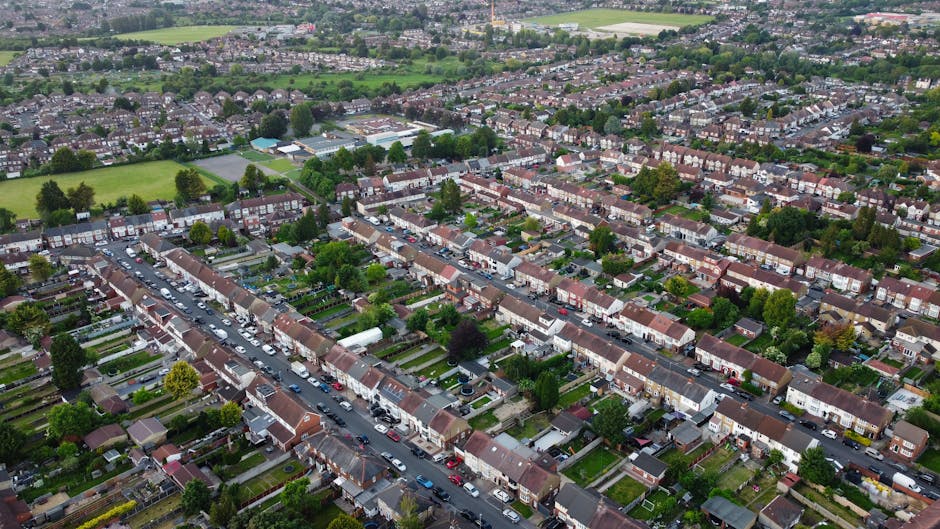
Moving home or office in Haringey can be straightforward right up until the access issues start. A narrow street, a tight stairwell, a busy road, no lift, parking restrictions, or a top-floor flat can turn a normal move into a very long day. That is exactly why understanding common access problems for Haringey removals and solutions matters before the van arrives. In practice, a little planning saves a lot of lifting, waiting, and stress. And let's face it, nobody wants to be carrying a sofa up three flights because the original plan looked fine on paper but not in real life.
This guide breaks down the access issues people run into most often in Haringey, why they happen, how they affect the move, and what you can do to keep things moving smoothly. You'll also find a checklist, a comparison table, and practical examples drawn from the sort of day-to-day situations that come up again and again in local removals.
Why Common access problems for Haringey removals and solutions Matters
Access is one of those things people underestimate until moving day. In Haringey, that can be especially risky because the area mixes mansion blocks, Victorian terraces, modern apartments, busy high streets, and roads that are not always generous with space. A move that starts late because the van cannot park nearby can quickly snowball. Boxes sit in the hallway. Furniture gets moved twice. Everyone gets a bit tired and a bit grumpy. Not ideal.
Good access planning matters because it protects time, reduces damage risk, and makes the whole job feel calmer. It also helps you choose the right type of move. For example, a straightforward ground-floor job may suit a simple van service, while a second- or third-floor flat with no lift might need more hands, more time, or a different loading plan. If you are comparing moving options, it helps to look at the wider service picture too, including general removals in Haringey, flat removals in Haringey, and house removals in Haringey.
There is also a trust side to this. A mover who asks about parking, lifts, stair access, and loading distance before the job is usually thinking properly. That is a good sign. It means they are planning for the actual move, not just the quote.
How Common access problems for Haringey removals and solutions Works
In simple terms, access planning is the process of checking how items will get from inside the property to the vehicle, and then how the vehicle will get close enough to collect them. That sounds obvious, but it is where many moves go sideways. A good plan looks at the route from front door to van, the width of corridors and staircases, lift availability, parking rules, door codes, neighbour access, and even the time of day the road is busiest.
Think of it as three linked stages:
- Property access - stairs, lifts, internal corridors, narrow hallways, and room layout.
- Street access - parking, loading space, road width, traffic, and timing.
- Item access - whether large furniture, appliances, or fragile items can be moved safely without dismantling.
Once those three are understood, the solution becomes much easier to choose. Sometimes the answer is as simple as reserving a better parking spot. Other times it is using smaller vehicles, additional movers, a temporary storage plan, or dismantling bulky furniture before move day. If you are moving a large sofa, wardrobe, or dining table, a dedicated service such as furniture removals in Haringey can be a practical fit.
In our experience, the best moves are usually the ones where nobody pretends access will be fine and then hopes for the best. They check. They measure. They plan. A bit boring, perhaps, but very effective.
Key Benefits and Practical Advantages
Solving access issues early is not just about avoiding inconvenience. It changes the whole rhythm of the move.
- Less wasted time: If the van can park close to the property, loading is quicker and fewer trips are needed.
- Lower damage risk: Shorter carrying distances and better handling routes reduce the chance of scuffed walls, broken handles, and strained backs.
- Better cost control: Delays and extra labour can add pressure to a moving budget, so access planning helps keep quotes realistic.
- Less stress on the day: A move feels much calmer when everyone knows the route, the parking plan, and the loading order.
- Safer handling: Narrow stairs, awkward landings, and heavy items are much easier to manage when they have been thought through in advance.
There is also a practical benefit that people only notice when it goes wrong: access planning helps protect the schedule for the rest of the day. If a late start eats into the loading window, the move-out and move-in timing can get squeezed. That matters even more for same-day arrangements, where timing is tight and there is little room for guesswork. If your move is urgent, it is worth looking at same-day removals in Haringey and related planning tips in urgent same-day removals advice.
Who This Is For and When It Makes Sense
This topic is relevant to more people than you might expect. Access problems are not only a concern for people moving from very old buildings or ultra-tight roads. They can affect all sorts of moves across Haringey.
- Flat movers dealing with upper floors, lifts, or shared entrances
- House movers on residential streets with limited parking
- Students moving in or out of compact accommodation with awkward access
- Office managers dealing with loading bays, shared buildings, and timed access windows
- People with bulky furniture such as wardrobes, beds, pianos, and sofas
- Anyone under time pressure who cannot afford delays or repeated trips
It is especially useful if you are moving in areas where traffic and parking can be more demanding, or if your property is on a narrow street. The local environment changes from one postcode to the next. You may have plenty of space outside one address and almost none at the next. That is just the reality. If you want a broader local context, the articles on living in Haringey and navigating Haringey's property market are useful companions to this guide.
Step-by-Step Guidance
Here is a practical way to handle common access problems without turning the move into a drama.
1. Inspect the access route early
Walk the route from the room to the front door, then from the front door to the road. Check stair turns, bannisters, tight corners, low ceilings, and anything that could catch on furniture. If you can, do this with a tape measure. It takes minutes and can save hours.
2. Measure the large items
Not every sofa fits through every staircase, and not every wardrobe survives a narrow turn in one piece. Measure your biggest items and compare them with door widths, stair landings, and lift dimensions. If the measurements look tight, plan for dismantling.
3. Check parking and loading options
Look at where the vehicle can stop legally and safely. In some streets, you may have a short loading window, a permit issue, or a road layout that makes parking tricky. If the van cannot get close, tell the mover before the job starts. That changes the whole labour plan.
4. Decide what needs dismantling
Flat-pack beds, dining tables, wardrobes, and some office furniture often move better in parts. Keep fixings in labelled bags. This sounds small, but it makes reassembly much easier later. Seriously, labelled bags are one of those tiny things that save your sanity.
5. Choose the right service type
A small flat with limited access may suit a more flexible vehicle and manpower setup, while a bigger house move may need a full removal team and a larger van. If you are unsure, compare man with a van in Haringey, man and van, and removal van options to get a sense of what suits the access conditions.
6. Build a buffer into the schedule
If access is tight, do not book your day to the minute. Leave breathing room for waiting, extra carrying distance, or a last-minute change in loading order. That small gap can be the difference between a tidy move and a rushed one.
7. Share access details in plain language
Tell the mover what a person would actually experience: "third floor, no lift, narrow staircase, parking about 40 metres away" is much more useful than "should be okay." Be specific. That's the trick.
Expert Tips for Better Results
Once you know the basic access route, the next step is making the job smoother. A few practical habits make a surprisingly big difference.
- Use colour-coded labels so boxes can be placed in the right rooms quickly.
- Keep a clear path from each room to the exit. Shoes, kids' toys, recycling bags, and trailing cables become hazards fast.
- Protect the property with floor runners, door covers, or simple blankets where needed, especially on tight staircases.
- Group awkward items together so the team can tackle them in one planned sequence instead of reacting on the fly.
- Move essentials separately if access is messy. A kettle, documents, chargers, and basic toiletries can be kept handy even if the bigger move runs behind.
One useful local habit is to think about the time of day. Morning loading can be easier in some streets before traffic builds up, but not always. In busier parts of the borough, what looks like a simple five-minute stop can become a 20-minute shuffle if the road is already clogged. A small thing, but it matters.
If the move involves delicate or awkward pieces, it may help to combine access planning with specialist handling. For example, piano moves and high-value furniture benefit from a more careful approach. You can see how that fits into a wider move through piano removals in Haringey and removal services in Haringey.
Common Mistakes to Avoid
Most access problems are not dramatic on their own. They become troublesome because several small mistakes stack up at once.
- Guessing the measurements: "It'll probably fit" is not a plan. It is a hope.
- Ignoring the parking distance: Ten extra metres does not sound like much until it becomes thirty trips with a heavy box.
- Forgetting about the stairwell: A sofa may fit through the front door but fail at the second turn.
- Not warning about shared access: Communal entrances, security doors, and lift booking systems can all slow a move down.
- Leaving everything packed last-minute: Rushed packing makes awkward access worse because items are heavier, less stable, and harder to stack.
- Choosing the wrong vehicle size: Too small means repeated trips; too large may be awkward on restricted streets.
A quieter mistake is assuming access only matters for the person driving the van. It does not. It affects your entire move-out rhythm, your neighbours, and sometimes building managers too. If you are in a block with managed rules, read the fine print early. The same goes for move-day insurance, safety arrangements, and service terms. It is not exciting reading, but it is useful reading.
Tools, Resources and Recommendations
You do not need fancy equipment to handle access problems well, but a few simple tools help.
- Tape measure for doorways, stair turns, furniture, and lift dimensions
- Phone camera to photograph entrances, parking signs, and difficult corners
- Notebook or move sheet for access notes, item lists, and room labels
- Small toolkit for dismantling beds, tables, and wardrobes
- Protective materials such as blankets, wrapping, and strong tape for furniture edges
For a more structured move, it is worth reviewing practical pages like pricing and quotes and competitive prices so you can see how access complexity may affect the overall approach. If you are looking for box and packing support, packing and boxes in Haringey is also a sensible place to check.
Sometimes the best resource is simply a good conversation. A brief call with the removals team, plus a couple of clear photos, usually gives a far better picture than a vague written description. Honest detail beats optimism every time.
Law, Compliance, Standards, or Best Practice
Access planning is not just a customer convenience issue. It also touches on safety, responsible working practices, and sensible compliance. UK removals work commonly involves manual handling, safe loading, and care around public roads and private properties. That means the mover should think about risk reduction, not just speed.
Good practice usually includes:
- planning lifting and carrying routes to reduce strain and collisions
- avoiding obstruction of footpaths, entrances, or emergency routes
- handling heavy and awkward items with appropriate team numbers
- checking whether parking, loading, or building access rules apply on the day
- protecting personal items and the property from avoidable damage
If you are comparing providers, it is sensible to review a company's broader approach to safety and responsibility. The pages on insurance and safety, health and safety policy, terms and conditions, and about us can all help you judge whether the business feels organised and careful. That does not guarantee perfection, of course, but it gives you a better sense of how they operate.
For customers with specific access needs, it is also worth checking the company's accessibility statement. And if something goes wrong, knowing the route for raising concerns matters too, so the complaints procedure is worth reading before you book. A bit of due diligence now can save a lot of hassle later.
Options, Methods, or Comparison Table
Different access problems call for different solutions. Here is a practical comparison of common approaches.
| Access challenge | Best-fit approach | Why it works | Watch out for |
|---|---|---|---|
| Narrow staircase or tight landing | Dismantle large furniture, use protective wrapping | Reduces awkward angles and wall contact | Missing fixings, poor reassembly planning |
| No nearby parking | Plan loading zone, use additional carrying support | Limits delay and repeated trips | Long carry distances, parking fines, wasted time |
| No lift in a flat block | Allow extra labour and time; reduce item weight | Makes stair carrying safer and more realistic | Underestimating fatigue and stair width |
| Busy road or restricted access window | Choose a realistic time slot and smaller vehicle if needed | Improves manoeuvrability and punctuality | Traffic delays, missed loading windows |
| Bulky furniture or fragile items | Specialist handling, careful wrapping, and item-specific planning | Protects the item and the property | Ignoring size, weight, or balance issues |
In plain English: if the access is awkward, the move plan should become more specific, not more optimistic. That usually means either more time, more manpower, a different vehicle setup, or a bit of dismantling. Sometimes all four.
Case Study or Real-World Example
Here is a realistic example based on the sort of move that comes up often in Haringey. A couple moving from a top-floor flat expected a straightforward Friday morning job. The flat itself was tidy and the lift worked, but the access outside told a different story. The road was narrow, parking was tight, and the van could not stop directly outside the building. The moving team had to park further down the street and make multiple carrying trips with boxes, a bed frame, a sofa, and a washing machine.
At first glance, that sounds like a small inconvenience. In practice, it changed everything. The loading took longer than expected, the team had to protect the stairwell carefully, and the larger wardrobe had to be dismantled before it could leave the bedroom. None of this was a disaster, but it would have felt much easier with earlier access planning.
The solution was simple, though not especially glamorous: the couple measured the biggest items, sent a few photos of the entrance and road, and changed the order of loading. The bed and wardrobe were prepared first, smaller boxes were grouped by room, and the most awkward items were handled before the day got busy. The result was still a proper working move - a bit sweaty, a bit noisy, boxes tapping against rails - but controlled and calm enough to finish on time.
If they had left it to the day itself, there would probably have been a lot more standing around with that slightly panicked "right, what now?" look. You know the one.
Practical Checklist
Use this checklist before move day. It is simple, but it catches the mistakes people usually make.
- Measure the largest furniture and compare it with doors, stairs, and lifts
- Check whether the van can park legally and safely near the property
- Confirm access codes, keys, entry times, and building rules
- Find out whether neighbours, porters, or managers need advance notice
- Decide which furniture needs dismantling before moving day
- Label boxes by room and keep a separate essentials bag
- Take photos of any awkward access points for reference
- Allow extra time if the property has stairs, shared entrances, or a long carry
- Check whether storage could help if access or timing becomes complicated
- Review service details, safety information, and payment terms before you book
If you are not sure whether you need a full team or a lighter setup, it can help to look at man and a van in Haringey, man and van in Haringey, and removal companies in Haringey. If any of the access details seem uncertain, ask questions early. Much better than guessing.
Practical summary: most access problems are solvable when they are identified early, described clearly, and matched to the right moving method. The combination of measurements, photos, and honest planning is usually enough to remove the biggest headaches.
Conclusion
Common access problems for Haringey removals and solutions are really about turning uncertainty into a plan. Narrow streets, awkward staircases, parking restrictions, and bulky furniture are all manageable when you know what you are dealing with. The more specific your information, the better the move team can prepare, and the smoother the day usually goes.
That is the big lesson here: access is not a side detail. It is part of the move itself. Treat it that way, and you are far more likely to avoid delays, protect your belongings, and keep your sanity intact. Not bad for a bit of early planning.
Get a free quote today and see how much you can save.
When the boxes are stacked and the last item is through the door, you will be glad the difficult bits were thought through in advance. That's the real win.
Frequently Asked Questions
What are the most common access problems during a Haringey move?
The most common issues are narrow streets, parking restrictions, long carry distances, tight staircases, no lift access, and awkward entrances or shared hallways.
How do I know if my furniture will fit through the property?
Measure the widest parts of the furniture and compare them with doorways, stairs, lifts, and corners. If anything looks close, plan for dismantling before move day.
Can a removals team help if parking is difficult?
Yes. A good removals team can plan for longer carry distances, vehicle positioning, and timing. It helps if you tell them about the parking situation in advance.
Is a man and van service suitable for awkward access?
Sometimes, yes. It can work well for smaller moves or lighter loads, but very difficult access may need extra hands, more time, or a different moving approach.
What should I tell the removals company before moving day?
Tell them about stairs, lift access, parking, entry codes, long carry distances, bulky furniture, and any time restrictions at the property.
Do I need to dismantle all large furniture?
No, not all of it. But beds, wardrobes, tables, and other bulky pieces often move more safely and efficiently when partly dismantled.
How much extra time should I allow for access issues?
There is no one-size-fits-all answer. A short extra buffer is sensible if the property has stairs, restricted parking, or a long walk from the van to the door.
What if my move involves a top-floor flat with no lift?
That usually means planning for extra labour, careful handling, and a slower pace. It is workable, but it should be treated as a higher-effort move from the start.
Can storage help if access is too complicated on the day?
Yes, temporary storage can be a practical fallback if timing, access, or loading becomes more complicated than expected. It can reduce pressure and keep the move moving.
What is the biggest mistake people make with access planning?
The biggest mistake is assuming access will be fine without checking. A quick measurement, a parking check, and a few photos can prevent most of the common problems.
Are access issues more common in flats or houses?
They can happen in both, but flats often involve more shared entrances, stairs, and lift complications, while houses more often face parking and street access issues.
How do I reduce stress on moving day?
Prepare early, label everything clearly, keep a clear route, and share accurate access details with the mover. Calm preparation makes a bigger difference than people expect.